
Choosing the right fruit to enjoy during the evening can play an important role in supporting your weight management goals whilst contributing to a nutritious and satisfying diet. Many people wonder which fruits are best suited for consumption later in the day, particularly when trying to balance taste, nutrition, and weight loss. The answer lies in selecting fruits that are naturally high in fibre, rich in water, and low in fat, all of which help you feel fuller for longer and provide essential vitamins and minerals without adding excessive calories to your daily intake.
- Choosing high-fibre and water-rich fruits for an evening snack can help manage weight by promoting satiety and reducing cravings for processed sweets.
- Replacing high-calorie, sugary snacks with fruit lowers your intake of unhealthy fats and helps maintain stable blood sugar levels due to the fibre content.
- Eating fruit in the evening contributes to your daily goal of five portions of fruit and vegetables, supporting a healthy and balanced diet.
- Fruits like watermelon and citrus are excellent choices for the evening because their high water content aids hydration without adding excessive calories.
- Apples, pears, and berries provide significant dietary fibre, which slows digestion and keeps you feeling fuller for longer, preventing late-night overeating.
- Tropical fruits like papaya are beneficial for the evening as they contain digestive enzymes and essential vitamins that support metabolism and overall health.
- Incorporating these low-fat fruit options is a sustainable dietary adjustment that complements structured weight loss plans and helps manage BMI.
Understanding evening fruit consumption and weight management
The science behind eating fruit during evening hours
Eating fruit in the evening offers a natural way to satisfy sweet cravings whilst providing your body with important nutrients before rest. The key to making fruit an effective part of your evening routine is understanding how it fits within the broader context of a healthy, balanced diet. A balanced diet includes a variety of foods in the right proportions, and fruit plays an essential role in this framework. Aiming for at least five portions of fruit and vegetables daily is a cornerstone of good health, and incorporating one of these portions during your evening meal or as an after-dinner snack can help you meet this target without turning to processed or sugary alternatives. The natural sugars in fruit are accompanied by fibre, which slows digestion and helps regulate blood sugar levels, making fruit a smarter choice than sweets or desserts.
Moreover, eating fruit in the evening can contribute to weight management by replacing higher-calorie, less nutritious options. When you choose fruit over snacks that are high in saturated fat or added sugar, you are actively reducing your intake of substances that can lead to weight gain and health risks such as obesity and elevated cholesterol. Most adults in England are overweight or obese, and small dietary adjustments like incorporating fruit into your evening routine can make a meaningful difference over time. The NHS offers a free twelve-week weight loss plan for those looking to lose weight, and integrating these fruit choices can complement such structured approaches to achieving a healthier BMI.
How high-fibre fruits support your weight loss journey
High-fibre fruits are particularly beneficial for weight loss because fibre increases the feeling of fullness and supports digestive health. Fibre-rich foods take longer to chew and digest, which means they keep you satisfied for extended periods and help prevent overeating. This is especially important in the evening, when many people experience hunger pangs or cravings that can derail their dietary goals. By choosing fruits that are high in fibre, you are not only nourishing your body with essential vitamins and minerals but also supporting your metabolism and digestive system in ways that promote sustainable weight management.
In addition to fibre, many fruits are naturally high in water content, which further aids in hydration and contributes to a sense of fullness without adding significant calories. Water-rich fruits help maintain optimal hydration levels, which is crucial for overall health and can support your body's natural detoxification processes. Consuming fats in moderation and focusing on unsaturated fats to lower cholesterol is part of a balanced diet, and fruit consumption naturally aligns with this principle because most fruits contain little to no fat. This makes them an ideal choice for evening consumption, as they provide sweetness and satisfaction without the downsides associated with high-fat or high-sugar snacks.
Our top 8 evening fruit selections for optimal nutrition
Water-Rich and Low-Fat Fruit Options for Your Evening Routine
The first fruit on our list is watermelon, which is renowned for its exceptionally high water content and refreshing taste. Watermelon is not only hydrating but also low in calories, making it an excellent choice for those seeking to manage their weight whilst enjoying a sweet treat in the evening. Its natural sugars are balanced by its water and fibre content, which help to keep you feeling full and satisfied. Next, we recommend apples, which are a staple in many households and are packed with dietary fibre, particularly when eaten with the skin on. Apples are versatile and can be enjoyed on their own or paired with a small amount of nut butter for added protein, though it is important to consume fats in moderation.
Pears are another excellent option for evening consumption, offering a similar fibre profile to apples along with a juicy, sweet flavour that satisfies cravings without overwhelming your system with excess calories. Berries such as strawberries, raspberries, and blueberries are also highly recommended due to their impressive fibre content, antioxidant properties, and relatively low sugar levels compared to other fruits. These berries are not only delicious but also contribute to a colourful and varied diet, which is essential for obtaining a wide range of nutrients. Kiwi fruit is a lesser-known yet powerful addition to your evening fruit repertoire, as it is rich in vitamin C, fibre, and potassium, all of which support overall health and weight management.
Oranges and other citrus fruits are also ideal for evening snacking, providing a burst of vitamin C and a refreshing taste that can help cleanse the palate after dinner. Citrus fruits are naturally low in fat and high in water, which aligns perfectly with the principles of a balanced diet. Plums and cherries round out our selection, offering unique flavours and a wealth of nutrients including vitamins, minerals, and fibre. These fruits are particularly beneficial for those who prefer a slightly tart flavour in the evening, and they can be enjoyed fresh or as part of a fruit salad. Finally, papaya is an excellent tropical option that is rich in digestive enzymes, fibre, and vitamin A, making it a fantastic choice for promoting gut health and supporting your weight loss journey.
Vitamin and Mineral Content of Each Recommended Fruit
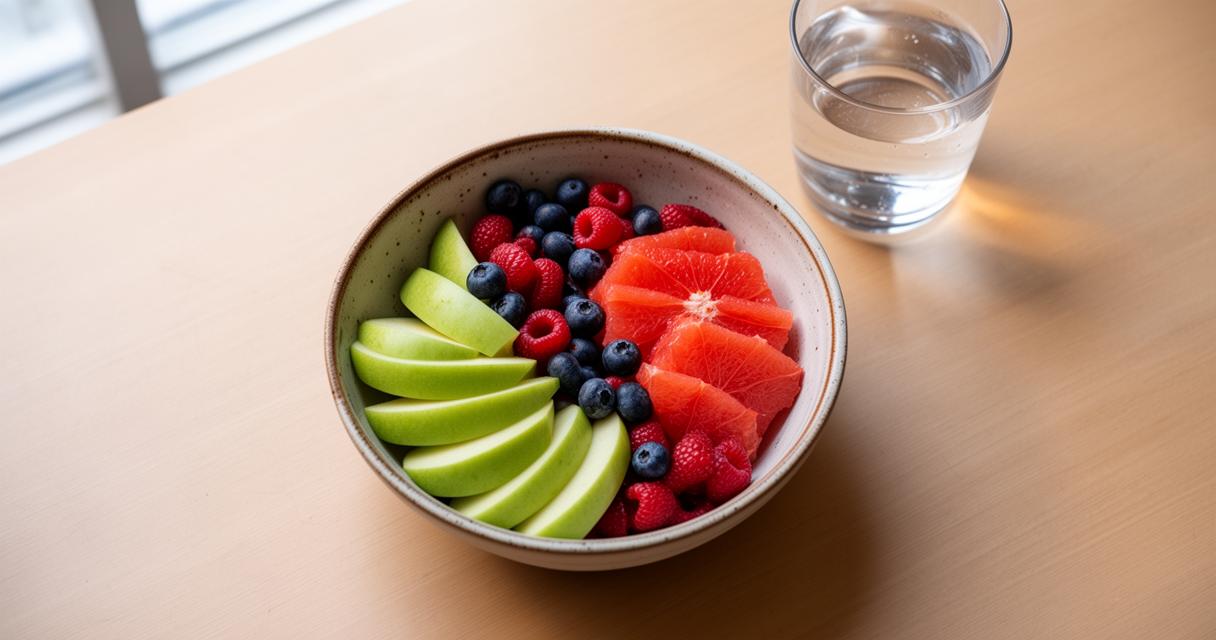
Each of the fruits in our selection offers a unique combination of vitamins and minerals that contribute to a balanced diet and overall well-being. Watermelon, for instance, is an excellent source of vitamins A and C, both of which are important for immune function and skin health. Apples and pears provide a good amount of vitamin C and potassium, along with their fibre content, which supports heart health and helps regulate blood pressure. Berries are particularly rich in antioxidants and vitamins, with strawberries and raspberries offering high levels of vitamin C and folate, whilst blueberries are known for their anthocyanin content, which has been linked to improved brain function and reduced inflammation.
Kiwi fruit stands out for its exceptionally high vitamin C content, often exceeding that of oranges, and it also provides vitamin K, which is essential for bone health and blood clotting. Oranges and other citrus fruits are well-known sources of vitamin C and also contain folate and potassium, all of which are vital for maintaining healthy bodily functions. Plums and cherries contribute vitamins A and C, as well as potassium and various antioxidants that help protect the body from oxidative stress. Papaya is a powerhouse of vitamin A, vitamin C, and folate, along with digestive enzymes like papain that aid in breaking down proteins and supporting gut health. Together, these fruits provide a comprehensive array of nutrients that support everything from immune function to digestive health, all whilst promoting weight management and contributing to a balanced diet.
Incorporating evening fruits into your balanced diet plan
Practical serving suggestions and portion guidelines
Understanding portion sizes is crucial when incorporating fruit into your evening routine to ensure you are meeting nutritional guidelines without exceeding your daily calorie needs. A standard portion of fresh, canned, or frozen fruit is considered to be around eighty grammes, which is roughly equivalent to one medium-sized apple, a handful of berries, or a couple of slices of watermelon. When it comes to dried fruit, a portion is smaller at around thirty grammes due to the concentrated sugar content, and juice or smoothies are limited to one hundred and fifty millilitres and should only count as one portion per day regardless of how much you consume. These guidelines help ensure that you are getting the benefits of fruit without inadvertently increasing your sugar intake beyond recommended levels.
To make the most of your evening fruit consumption, consider pairing fruit with other food groups such as dairy products or protein sources to create a more balanced and satisfying snack. For example, enjoying a few slices of apple with a small portion of cheese or a handful of berries with a spoonful of natural yoghurt can provide a good mix of carbohydrates, protein, and calcium, all of which are important for maintaining energy levels and supporting muscle health. Dairy products are good sources of protein and calcium, and opting for lower-fat options can help you manage your overall fat intake whilst still benefiting from these essential nutrients. Additionally, including lean meats, fish, eggs, beans, and pulses as protein sources throughout the day ensures that your body has the building blocks it needs to repair and grow, which is particularly important if you are also engaging in regular physical activity as part of your weight loss plan.
Building sustainable eating habits with evening fruit consumption
Creating sustainable eating habits is about more than just choosing the right foods; it is about developing a routine that you can maintain over the long term without feeling deprived or overwhelmed. Incorporating evening fruit into your diet is a simple yet effective step towards building healthier habits, as it encourages mindful eating and helps you become more aware of your food choices. By consistently choosing fruit over less nutritious options, you are training your palate to appreciate natural sweetness and reducing your reliance on processed snacks that are high in saturated fat, sugar, and salt. Reducing your intake of these substances is essential to avoid health risks such as obesity, elevated cholesterol, and other conditions that can negatively impact your quality of life.
It is also important to view fruit consumption as part of a holistic approach to healthy eating rather than a standalone solution. Starchy foods should make up over a third of your daily intake, with a focus on wholegrain options that provide sustained energy and additional fibre. Including a variety of food groups in the right proportions ensures that your body receives all the nutrients it needs to function optimally. Limiting red and processed meat to three portions a week, with each portion weighing between three hundred and fifty and five hundred grammes when cooked, and aiming for at least two portions of fish weekly, including one portion of oily fish, are other key components of a balanced diet. Oily fish, in particular, is rich in omega-three fatty acids, which are unsaturated fats known to lower cholesterol and support heart health.
For those who are looking to lose weight, the NHS offers a free twelve-week weight loss plan that provides structured guidance and support to help you achieve your goals. There is also a Healthy Choices quiz available for personalised health advice, which can help you identify areas where you might need to make adjustments to your diet or lifestyle. By combining these resources with the simple habit of eating high-fibre, water-rich fruits in the evening, you can create a comprehensive and sustainable approach to weight management that fits seamlessly into your daily life. Remember, the key to success is consistency and balance, and every small change you make towards healthier eating brings you one step closer to achieving and maintaining a healthy BMI and overall well-being.