
Growing your own pears can be one of the quiet pleasures of gardening, whether you have a sprawling orchard or a single tree tucked against a sunny wall. Yet these fruit trees are far from immune to trouble, and a surprising number of gardeners find themselves puzzled when leaves start curling, fruit develops blemishes, or a once-thriving specimen begins to falter. Understanding what ails a pear tree, and how to respond sensibly, makes all the difference between a disappointing harvest and a bountiful one.
Key points
- Pear trees are susceptible to several common diseases, including pear rust, scab, fungal infections, and the dangerous phytophthora blight.
- Young pear trees are particularly vulnerable during spring when damp, cool weather promotes the germination of fungal spores on new growth.
- Effective pruning improves air circulation and sunlight exposure, creating an environment that naturally discourages the spread of fungal pathogens.
- Applying copper-based treatments like Bordeaux mixture during dormancy can help establish a protective barrier against fungal spores.
- Maintaining orchard hygiene by disinfecting pruning tools and removing fallen leaves or rotting fruit prevents the spread and overwintering of pathogens.
- Integrated pest management and promoting healthy, well-drained soil are essential for boosting a tree's natural resilience against disease and environmental stress.
Common pear tree diseases and their identification
Recognising Rust, Scab, and Fungal Infections on Leaves and Fruit
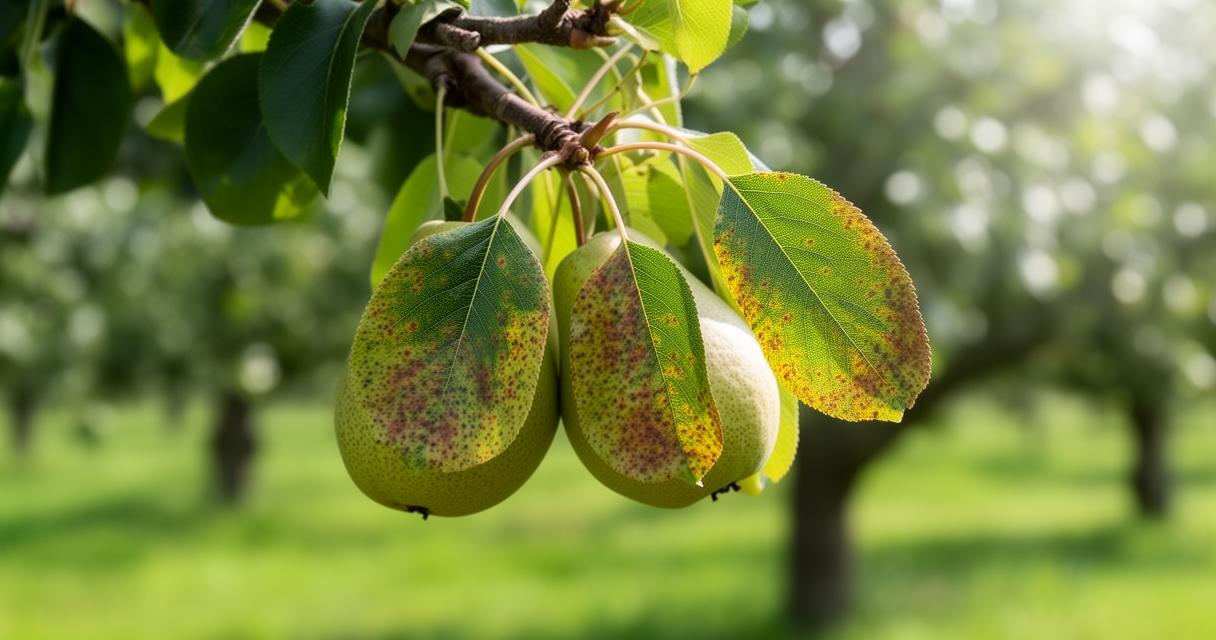
Pear trees are prone to a handful of recurring ailments, and learning to spot them early is half the battle. Pear rust tends to announce itself with bright orange-red spots scattered across the upper surface of leaves, often accompanied by peculiar growths on the underside once the disease has taken hold. Scab, meanwhile, is one of the most frequent culprits behind poor-looking fruit, producing dark, scabby lesions on both leaves and pears themselves, which can crack and become misshapen as the season progresses. Beyond these two, various fungal infections lurk in damp conditions, taking advantage of humid spells to spread spores across foliage and blossom alike. It is worth keeping a watchful eye for signs of phytophthora blight too, a particularly troublesome pathogen that thrives in waterlogged soil and can cause cankers on bark, wilting shoots, and a general decline that, left unchecked, may prove fatal to the tree. Gardeners who catch these symptoms early stand a far better chance of limiting the damage before it spreads through the entire canopy.
Understanding the Vulnerability of Young Pear Trees in Spring
Young trees are especially susceptible during the spring months, when tender new growth emerges and the tree has not yet built up the resilience of a more mature specimen. Cool, damp spring weather creates ideal conditions for fungal spores to germinate, and newly unfurled leaves offer little resistance. This is the period when careful observation pays dividends, since problems caught at this early stage are considerably easier to manage than those allowed to fester through summer. Checking the undersides of leaves, inspecting blossom clusters, and noting any unusual discolouration on stems should become a regular habit for anyone nurturing a young pear tree towards its first proper harvest.
Effective orchard management techniques for disease prevention
Pruning Practices and Bordeaux Mixture Application for Healthy Trees
Sensible pruning does far more than shape a tree; it improves air circulation through the branches, reducing the damp, stagnant conditions in which fungal diseases flourish. Removing crossing branches and thinning congested growth allows sunlight and breeze to reach every part of the canopy, which naturally discourages many common ailments. Alongside pruning, many gardeners turn to Bordeaux mixture, a traditional copper-based treatment applied during dormancy or just as buds begin to break, offering a protective barrier against fungal spores before they have the chance to establish themselves. Timing matters considerably here, as applying such treatments at the wrong moment can do more harm than good, so it is worth consulting local guidance on the best windows for treatment in your particular climate.
Tool Disinfection and Debris Removal to Minimise Disease Risk
It is easy to overlook the humble pruning saw or secateurs as a source of disease, yet contaminated tools can carry pathogens from one tree to another with remarkable efficiency. Wiping blades with disinfectant between cuts, particularly when dealing with diseased wood, is a simple habit that prevents cross-contamination across the orchard. Equally important is the removal of fallen leaves, rotten fruit, and pruned debris from beneath the tree, since this material often harbours overwintering spores and pests ready to reinfect the tree come spring. A tidy base around the trunk, cleared of decaying matter, genuinely reduces the reservoir of disease waiting to strike.
Holistic approaches to maintaining thriving pear trees
Integrated Pest Management and Soil Health for Optimal Growth
Diseases rarely act alone, and pests frequently open the door for infection by wounding leaves, bark, or fruit, creating entry points for opportunistic fungi and bacteria. Adopting an integrated pest management approach, which combines natural predators, careful monitoring, and targeted intervention only when truly necessary, helps keep insect populations in check without disrupting the wider garden ecosystem. Alongside this, the condition of the soil beneath the tree deserves just as much attention as what happens above ground. Well-drained, nutrient-rich soil supports strong root development, and a tree with a robust root system copes far better with stress, whether from disease, drought, or a poor season. Incorporating organic matter and avoiding compaction around the root zone are small steps that yield outsized benefits over the years.
Pollination Strategies and Monitoring for Popular Varieties Like Doyenne and Comice
Varieties such as Doyenne du Comice remain firm favourites among British gardeners for their sweet, buttery flesh, yet even the most desirable pear cultivar depends on reliable pollination to produce a generous crop. Many pear varieties are not fully self-fertile, meaning a compatible pollination partner planted nearby, or at least within reach of visiting bees, can substantially improve fruit set. Encouraging pollinators through companion planting and avoiding pesticide use during blossom time supports this natural process. Beyond pollination, ongoing vigilance remains the cornerstone of a healthy tree, whether it grows in a spacious garden or a container on a balcony. Regular checks throughout the growing season, prompt removal of any diseased material, and a consistent care routine will keep a pear tree productive and resilient for many years to come, rewarding patient gardeners with baskets of fruit worth the effort.