
Knee contractures represent a significant challenge for individuals who face limitations in their daily activities. This condition, often overlooked until its effects become pronounced, can profoundly alter one's ability to perform routine tasks and enjoy a fulfilling lifestyle. Understanding the nature of this affliction, its origins, and the available interventions is crucial for anyone seeking to maintain optimal joint health and prevent long-term disability. The journey towards recovery begins with awareness and a commitment to seeking timely professional guidance.
- Knee contractures occur when the joint suffers a permanent loss of range of motion due to the tightening of muscles, tendons, and surrounding soft tissues.
- The condition significantly impacts daily life by making routine activities like walking, climbing stairs, and sitting uncomfortable or difficult.
- Structural changes, such as fibrosis and the formation of thickened scar tissue within the joint capsule, are responsible for the knee becoming locked in a fixed position.
- Arthritis is a primary driver of the condition, as chronic inflammation and pain often lead to sedentary behavior and subsequent joint stiffening.
- Muscle weakness, whether caused by aging or inactivity, compromises joint stability and increases the risk of tissue tightening.
- Previous injuries like ligament tears or fractures can lead to permanent stiffness if scar tissue formation is not managed through proper rehabilitation.
- Timely medical attention and early intervention are essential to preventing long-term disability and maintaining optimal joint health.
Understanding knee contractures: what happens when your knee won't move properly
Knee contractures occur when the joint experiences a permanent reduction in its natural range of motion, preventing it from straightening or bending fully. This condition stems from the tightening and stiffening of muscles, tendons, or soft tissues surrounding the knee, often as a result of scarring or fibrosis. When these anatomical structures lose their elasticity, the knee becomes locked in a fixed position, causing discomfort and limiting mobility. The impact on daily life can be substantial, as simple actions such as walking, climbing stairs, or even sitting comfortably become arduous tasks. Individuals with knee contractures frequently experience stiffness and pain, which may escalate over time if left unaddressed. The condition not only restricts physical movement but also affects posture, balance, and overall quality of life, making it essential to recognise the early signs and seek appropriate medical attention.
Defining Knee Contractures and Their Impact on Daily Mobility
A knee contracture is characterised by the inability to fully extend or flex the joint due to the shortening and tightening of surrounding tissues. This restriction arises from various factors, including prolonged immobilisation, muscle atrophy, and the formation of thickened scar tissue. The consequences of this condition extend beyond physical discomfort, as it can hinder independence and reduce participation in social and professional activities. For many, the loss of mobility translates into a diminished sense of autonomy, as they struggle to perform tasks that were once effortless. The persistent stiffness and pain associated with knee contractures can also lead to compensatory movements, which may strain other joints and muscles, further complicating the condition. Recognising the profound impact of knee contractures on daily mobility underscores the importance of early intervention and comprehensive management strategies.
The anatomical changes that occur within the knee joint
Within the knee joint, contractures develop as a result of structural alterations to the muscles, tendons, and connective tissues. When these tissues become scarred or fibrotic, they lose their ability to stretch and contract normally, leading to a fixed position. This process is often gradual, beginning with mild stiffness and progressing to severe limitation if not addressed promptly. The knee joint itself is a complex structure, reliant on the coordinated function of multiple components to facilitate smooth movement. When one element becomes compromised, the entire system suffers, resulting in reduced flexibility and increased discomfort. The anatomical changes associated with knee contractures can also involve the joint capsule, which may thicken and adhere to surrounding structures, further restricting motion. Understanding these internal transformations is vital for healthcare professionals when devising effective treatment plans and for patients who wish to comprehend the nature of their condition.
Primary Causes Behind the Development of Knee Contractures
The development of knee contractures is influenced by a variety of factors, each contributing to the progressive stiffening of the joint. Among the most common causes are arthritis, muscle weakness, and previous injuries, all of which can disrupt the normal functioning of the knee. Arthritis, in particular, leads to inflammation and degeneration of the joint, making movement painful and encouraging individuals to adopt sedentary habits. Muscle weakness, whether due to ageing, disease, or lack of physical activity, diminishes the support structures around the knee, allowing contractures to form more easily. Previous injuries, such as fractures or ligament tears, can result in scar tissue formation and prolonged periods of immobility, both of which are significant risk factors. Additionally, neuromuscular disorders and birth defects may predispose individuals to contractures by affecting the normal development and function of the knee joint. Recognising these underlying causes is essential for developing targeted prevention and treatment strategies.
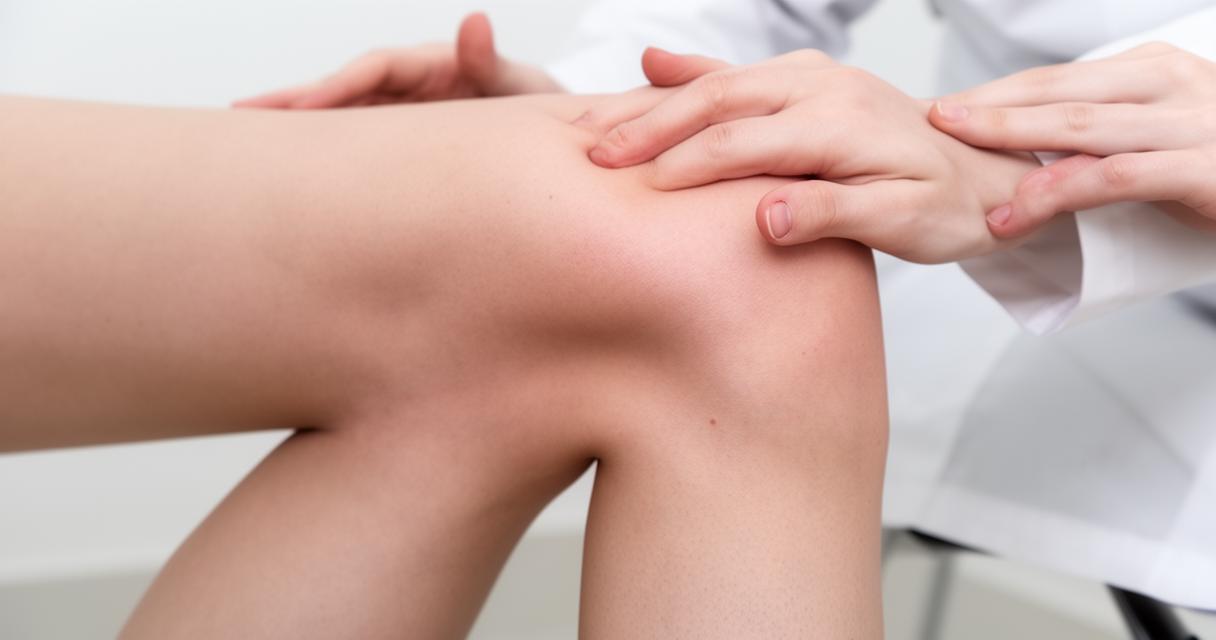
Arthritis, Muscle Weakness and Previous Injuries as Contributing Factors
Arthritis stands as one of the foremost contributors to knee contractures, as the chronic inflammation and joint degeneration it causes can severely limit mobility. Individuals with arthritis often experience persistent pain, which discourages them from engaging in physical activity and leads to joint stiffness. Over time, this lack of movement exacerbates the condition, as the tissues around the knee become less flexible and more prone to contracture. Muscle weakness also plays a critical role, particularly when the muscles supporting the knee fail to maintain adequate strength. Weak muscles are unable to stabilise the joint effectively, increasing the likelihood of tissue tightening and reduced range of motion. Previous injuries, including fractures, dislocations, and soft tissue damage, can leave lasting effects that contribute to contracture formation. Scar tissue that develops during the healing process may restrict movement, and inadequate rehabilitation following injury can result in permanent stiffness. Addressing these contributing factors through early intervention and appropriate care is paramount to preventing long-term disability.
How Prolonged Immobility and Inadequate Rehabilitation Lead to Joint Stiffness
Prolonged immobility is a significant catalyst for the development of knee contractures, as extended periods of inactivity allow the muscles, tendons, and other soft tissues to shorten and lose elasticity. When the knee remains static for too long, whether due to bedrest, casting, or sedentary behaviour, the body begins to adapt to this fixed position, resulting in permanent stiffness. Immobilisation disrupts the normal flow of nutrients and oxygen to the joint, further impairing tissue health and flexibility. Inadequate rehabilitation following an injury or surgery compounds this problem, as the absence of targeted exercises and physiotherapy allows contractures to take hold. Without a structured programme to restore range of motion and strength, the knee may never fully recover its pre-injury function. The importance of early and consistent physical therapy cannot be overstated, as it serves to counteract the detrimental effects of immobility and promote healing. Patients who neglect rehabilitation or fail to adhere to prescribed exercise regimens face a heightened risk of developing severe contractures that may require more invasive interventions down the line.
Effective Treatment Approaches and the Importance of Early Medical Intervention
Treating knee contractures demands a multifaceted approach that prioritises early intervention and personalised care. The sooner a contracture is identified and addressed, the more favourable the outcome, as tissues are more responsive to conservative treatments in the initial stages. Early treatment often involves a combination of physical therapy, stretching exercises, and heat therapy, all aimed at restoring flexibility and reducing stiffness. These methods work by gradually elongating the shortened tissues and encouraging the return of normal joint function. Pain management is also a crucial component of treatment, as discomfort can hinder a patient's willingness to engage in rehabilitation activities. Medications, under the guidance of a healthcare professional, may be prescribed to alleviate pain and inflammation, enabling individuals to participate more fully in their recovery. In cases where conservative measures prove insufficient, surgical intervention may become necessary to release the contracted tissues and restore range of motion. The decision to pursue surgery is typically reserved for severe contractures that significantly impair quality of life and mobility, and it is made in consultation with a specialist who can assess the risks and benefits.
Rehabilitation exercises, physiotherapy and pain management strategies
Rehabilitation exercises form the cornerstone of non-surgical treatment for knee contractures, as they focus on restoring flexibility, strength, and function to the affected joint. Physiotherapy sessions are tailored to the individual's specific needs, incorporating stretching routines, range of motion exercises, and strengthening activities that target the muscles surrounding the knee. Stretching is particularly beneficial, as it helps to lengthen the contracted tissues and prevent further stiffening. Heat therapy may be applied before exercise to relax the muscles and enhance tissue pliability, making stretching more effective and comfortable. Occupational therapists often collaborate with physiotherapists to ensure that patients are positioned correctly throughout the day, as proper posture management can prevent worsening of the contracture. Pain management strategies are integrated into the rehabilitation process, with healthcare professionals recommending techniques such as gentle massage, heat application, and prescribed medications to ease discomfort. The success of these interventions depends heavily on patient compliance and the consistency with which exercises are performed. Regular follow-ups with healthcare providers are essential to monitor progress and adjust treatment plans as needed.
When Surgical Intervention Becomes Necessary and What to Expect from Treatment
Surgical intervention for knee contractures is considered when conservative treatments fail to yield significant improvement or when the contracture is so severe that it drastically impairs mobility and quality of life. Various surgical procedures may be employed, including the release of contracted tissues, removal of excess scar tissue, and joint manipulation under anaesthesia. The choice of procedure depends on the underlying cause and severity of the contracture, as well as the patient's overall health and treatment goals. Diagnosis prior to surgery often involves physical examinations supplemented by imaging studies such as X-rays, ultrasounds, or MRIs to assess the extent of tissue damage and joint degeneration. Following surgery, a comprehensive rehabilitation programme is essential to ensure optimal recovery and prevent recurrence of the contracture. This post-operative care typically includes physiotherapy, pain management, and gradual reintroduction of movement to the knee. Patients can expect a period of adjustment as the joint regains its range of motion, and full recovery may take several months depending on the complexity of the surgery. The importance of early treatment cannot be overstated, as contractures that are addressed promptly tend to respond more favourably to both conservative and surgical interventions, ultimately preserving the patient's mobility and independence.